Event marketing is thriving, offering tangible, face-to-face value for businesses and their target audiences. We spoke with marketing experts about how consumer behavior and technological advancements are reshaping event marketing.
We curated seven key event industry trends to watch for in 2026, highlighting how to make your event stand out.
1. Prioritizing community building
Community building has become a priority as the audience now craves authentic connections. This involves ongoing engagement and sharing high-quality content beyond the event itself.
You should use events to build a strong community by creating spaces for interaction. However, be careful not to overwhelm your audience with frequent or sales-driven pushes.
Focus on nurturing the trust you gained during the event through personalized, valuable connections.
2. Cross-functional Collaboration.
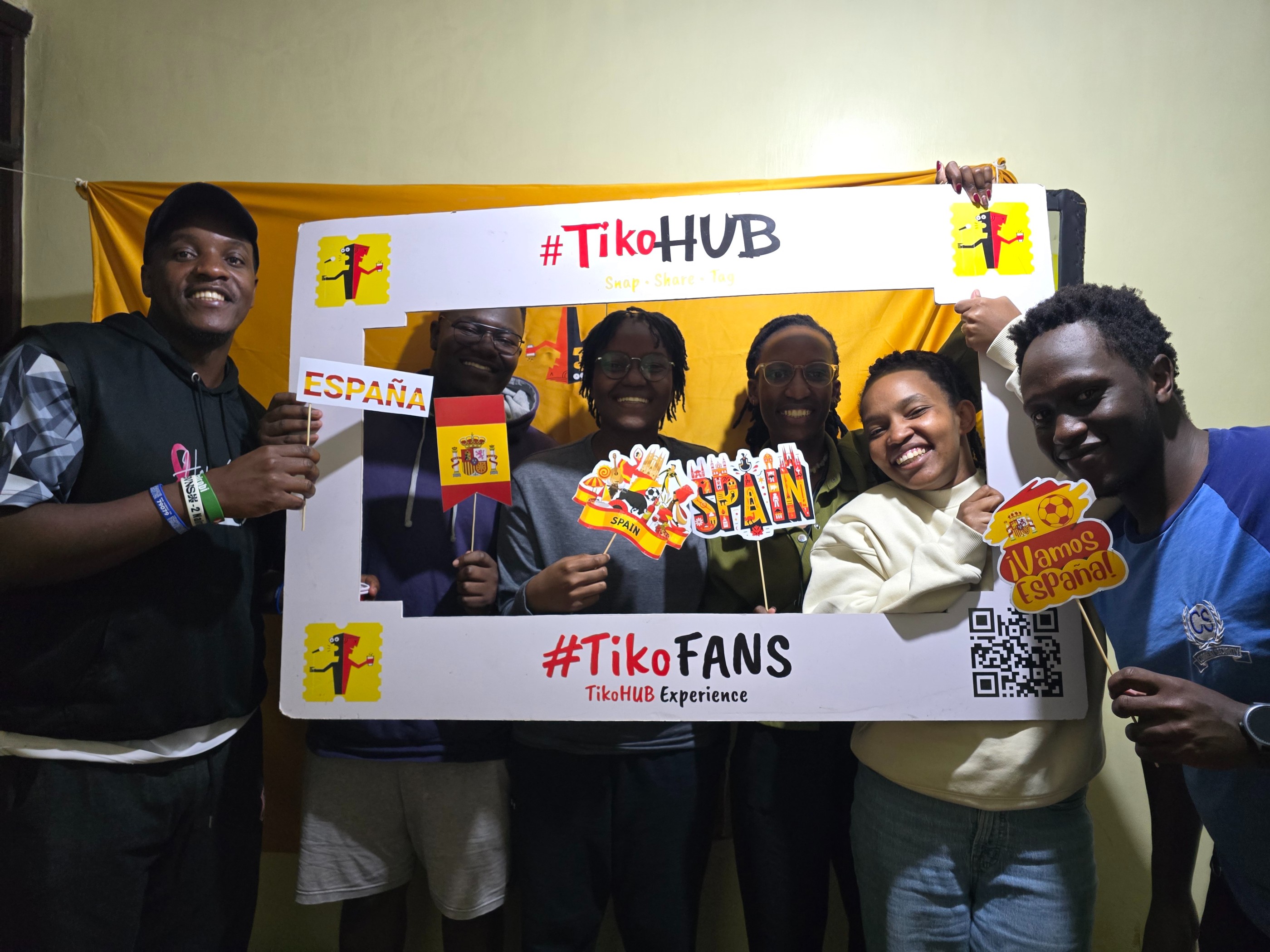
Event marketing serves as a unifying force across all functions within an organization, something we’ve experienced firsthand at TikoHUB.
For major events, teams from events management, revenue operations, UX, development, and leadership collaborate and contribute as subject matter experts, driving the event's success.
It’s critical to use your resources and knowledge efficiently. This includes selecting relevant topics, maximizing the impact of your content, and organizing follow-up activities. Your entire team must be fully engaged in this process.
3. Rise of Smaller, Exclusive Experience
Smaller, exclusive events foster deeper connections among attendees by encouraging trust, meaningful conversations, and open sharing of insights.
They also enable brands to engage more effectively with their target audience by tailoring the experience to a select group (vs. a few hundred or thousand attendees).
4. Content Repurposing
Events are excellent sources for creating new marketing content. Recorded event content can become bite-sized clips and trending short-form videos, guides, and resources for social media and other channels.
Think about your favorite show, the one where you can’t wait to see what happens next. A well-planned event series works the same way, building a lasting connection between your brand and its community.
5. The "TL; DR" approach to post-event accessibility
Life is busy, which means getting people in a room together for live events can be challenging. It’s also unlikely people will watch a two-hour recording of a session after the event.
This is why many event marketers take a “Too Long; Didn’t Read” (TL; DR) approach
Make shareable, easy-to-digest content available to your audience by providing concise event summaries and key insights. This increases the likelihood of retention and broadens your event's impact and value to a larger audience. It also helps enhance post-event engagement.
6. All-in-one Event Platforms
Event management can be complex, involving various components and unexpected challenges. All-in-one event platforms streamline operations by integrating everything from logistics to virtual production.
In 2026, the use of AI-driven marketing tools will explode. These tools enable businesses to automate tasks, reduce manual workloads, and minimize errors, letting marketing teams to focus on strategy instead of logistics.
7. Emphasis on Sustainability
Sustainability is no longer a new trend but a business imperative. Contemporary audiences are well-informed and issue-driven, expecting event organizers to minimize waste and reduce their environmental impact.
The future of event marketing includes green venue selection and tapping into sustainable technologies. Partnering with vendors to provide reusable swag and support charities/nonprofits is also gaining traction. See what works for you best and show it to the max.