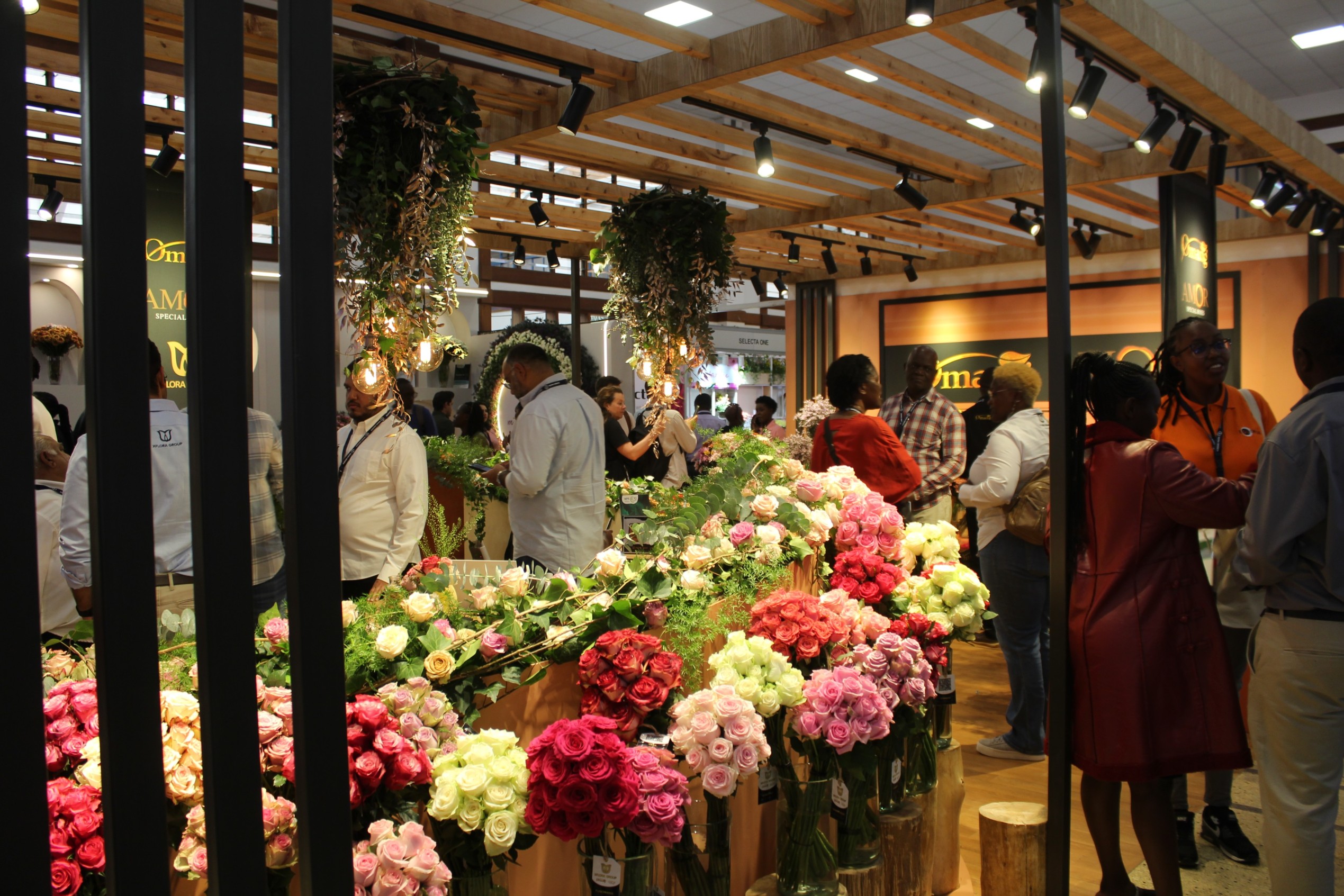
IFTEX 2026 (International Floriculture Trade Exhibition) wrapped up successfully in Nairobi from June 2–4 at the Visa Oshwal Center. Marking its 13th edition, the event achieved a record 210+ exhibitors, an 11% increase from 189 in 2025 and the highest in its history.
The fair drew thousands of international buyers, growers, breeders, and suppliers.
To understand the factors behind this record-breaking success, we spoke with Bob Maina, an events promoter and organizer who played a key role in this year’s edition. Here are five key lessons event organizers can learn:
1. Scale and Momentum Through Consistent Growth
“IFTEX grew steadily, hitting a milestone of more than 200 exhibitors with around 20% first-timers,” says Mr. Maina. “This was achieved by building year-over-year momentum through delivering measurable value to our clients.”
According to the promoter, the organizers (HPP Exhibitions + Kenya Flower Council) leveraged past success to attract more participants. “We did targeted marketing to international audiences and offered incentives for new exhibitors. We also have tracking mechanisms to monitor exhibitor retention, new sign-ups, and buyer attendance,” he explains.
2. Strategic Venue and Logistics in Emerging Markets
Mr. Maina emphasizes the importance of choosing accessible, industry-relevant venues in hubs with a strong sector presence. Kenya, as the top exporter of roses to Europe, provided the perfect setting. Hosting the event in a major production and export hub created authenticity and convenience for participants.
“Nairobi’s Oshwal Center worked well for this specialized B2B flower trade fair,” he notes. “Located in the Westlands area — an upmarket business hub — it is easily accessible to growers from across the country and to international visitors, thanks to the good road network and supporting infrastructure.” He advises organizers to partner with local industry bodies early and ensure strong infrastructure, transport, and amenities for international guests.
3. Focus on Networking, Innovation, and Business Outcomes
“Design events for real deal-making, not just exhibits,” advises Maina. IFTEX emphasized partnerships, new varieties, sustainability, technology (such as pest monitoring and AI), and practical solutions to challenges like logistics.
“We prioritized qualified B2B attendees, mainly growers and buyers, facilitated introductions, and showcased innovation to keep the energy high,” he explains. The event also featured side events, awards for stand design, and matchmaking sessions, which helped build stakeholder partnerships and a lasting community.
4. Resilience in Challenging Times
Events can thrive even amid headwinds such as freight costs, geopolitics, and cash flow issues by positioning themselves as solutions platforms. Mr. Maina highlighted the strains on the floriculture export sector caused by the Middle Eastern conflict, which led to delays and rising freight charges.
“Organizers leaned into optimism and collaboration,” he says. “We leveraged proactive communication, flexibility, and focused on opportunities in new markets and sustainability investments.”
5. Sustainability and Industry Relevance
The event was closely aligned with key sector priorities, including environmental compliance, carbon footprint reduction, and innovation.
By centering these themes, IFTEX 2026 reinforced its relevance to the long-term future of the floriculture industry.
IFTEX 2026 demonstrates that consistent value creation, strategic partnerships, and adaptability are essential for hosting successful trade events, even in challenging times. Event organizers across industries can apply these lessons to build momentum, foster meaningful connections, and deliver lasting impact.